The people in
your corner.
ADHD doesn't look the same at every age, in every season, or in every family. So we stopped pretending one coach could be right for all of it. Every person on this team specializes in something specific, because the mom of a struggling third grader needs something completely different than the college student who just got diagnosed, or the adult who's been figuring it out alone for years. When you reach out, we find the right fit. That's the whole point.

Tyler Dorsey
I don't just coach people with ADHD. I help them build lives they never thought were available to them. I coach clients. I lead a team of incredible coaches and run master classes, all because I refuse to let ADHD be the reason someone plays small.
Read Tyler's full story →
I've lived with ADHD my whole life and have been helping others navigate it since 2014.
If you have ever watched someone you love struggle and thought, there has to be a reason this is so hard, you are right. There is. And once you find it, the strategies start sticking, the mornings stop feeling like a battle, and the person you have been worried about starts showing up differently. Not because they tried harder. Because they finally started in the right place.
Every Friday in third grade, our whole class took a multiplication table quiz. Whoever passed got ice cream. One by one, my classmates got in line. I sat at that table and watched them come back, ice cream in hand, and settle in around me. Every single Friday. My struggle no longer felt private. It felt right there on display in the most ordinary and devastating way a third grader can experience it.
Here is what that belief does to a person. It does not make you try harder. It makes you stop trying at all. What looked like laziness from the outside was self-protection on the inside. I did not turn in homework, not because I did not care, but because caring and still failing felt worse than not trying at all.
The belief did not create the ADHD. But the ADHD gave the belief endless material to work with. The time blindness. The difficulty starting tasks. The disorganization, the emotional spirals, the impulsivity. Every one of those things became evidence for a belief that was never true to begin with.
It followed me to senior year of high school, where I barely graduated. It followed me to my first semester of college, where I failed just about everything and came home to an academic probation letter over Christmas break.
And I realized something sitting with that letter. ADHD was not a school problem. It was a life problem. So I stayed. I asked for help. I stopped running away from the problem and faced it head-on.
I went from academic probation to graduating in four years, taking 18 credit hours a semester, playing collegiate volleyball, and working 40 hours a week when I wasn't in season. I graduated with a job offer already in hand.
That shift is what Focus Forward exists to create for you. I founded Focus Forward in 2014 because I knew I was not the only one carrying a belief that did not belong to me. I am a Certified ADHD Life Coach, ACC through the ICF, with a master's in educational psychology. I have ADHD and dyslexia. I am a wife and a mom of four. I have spent over a decade studying this, coaching through it, and building a team of specialists around it, because the person you love, or the person you are, deserves more than another system and another reason to believe the problem is them.
* I'm the one you will meet when you book a call.
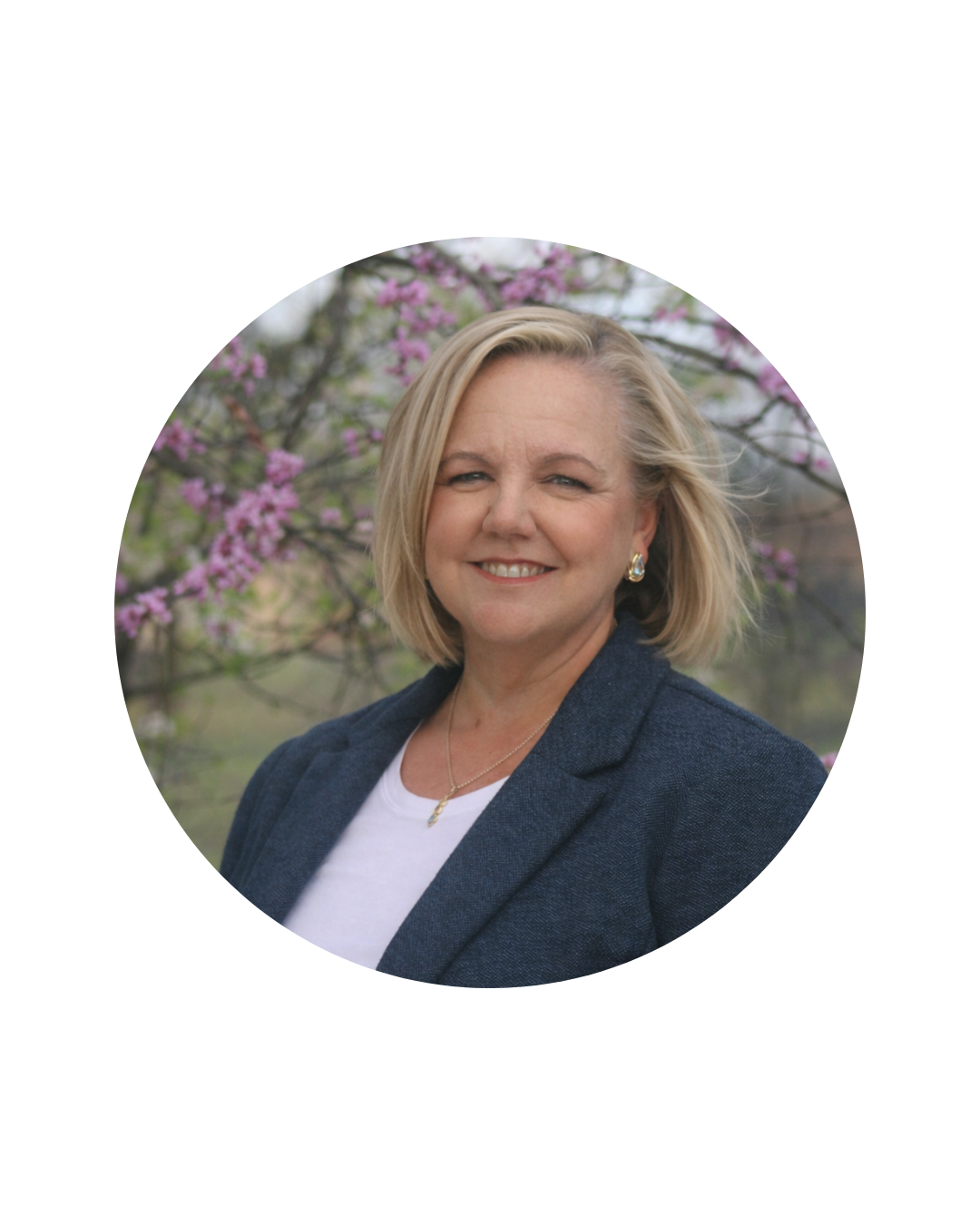
Lesley Farmer
Lesley is the reason everything runs as smoothly as it does. She knows this team inside and out, and if you reach out with a question, or you're just not sure where to start, she's the one you'll hear from first.
Meet Lesley →
There's a version of this story you've probably lived. The kid who gets straight A's, turns everything in on time, never causes a problem at school, and falls completely apart at home. The room that looks like a bomb went off. The anxiety that nobody sees coming until it detonates. The quiet fear underneath it all: if nobody fights for her, she's going to disappear into herself.
That's Lesley's daughter. And that's what brought her here.
Lesley is not the person you'll book a session with. She's the person who makes sure everything works so that when you do, it's seamless. She's behind the scenes, building the systems, supporting the coaches, and making sure Focus Forward runs the way a family with ADHD actually needs it to: with zero dropped balls.
She knows this world from the inside out. Her oldest son battles time blindness and executive function, the kind of kid who finished the assignment but genuinely cannot explain why it never got turned in. Her youngest came in like a force of nature, his ADHD so layered it blurred into questions about autism. And then there's her daughter, the shining star who was quietly drowning. The one you would never know was struggling. The one Lesley refused to let the world miss.
Her husband has ADHD too. And she'll tell you flat out: he can only do his job because of it.
That belief didn't come from a textbook. It came from twenty years of watching what happens when the right support meets the right person, and what's lost when it doesn't. Lesley found Focus Forward when her oldest was first diagnosed. What she learned changed how she showed up for her whole family. Now she makes sure this organization can reach more families like hers.
You probably won't see her name on your coaching calendar. But if you reach out with a question, hit a snag, or just aren't sure where to start, she's who you'll hear from. And she'll make sure you land exactly where you need to be.
Coaches who specialize.
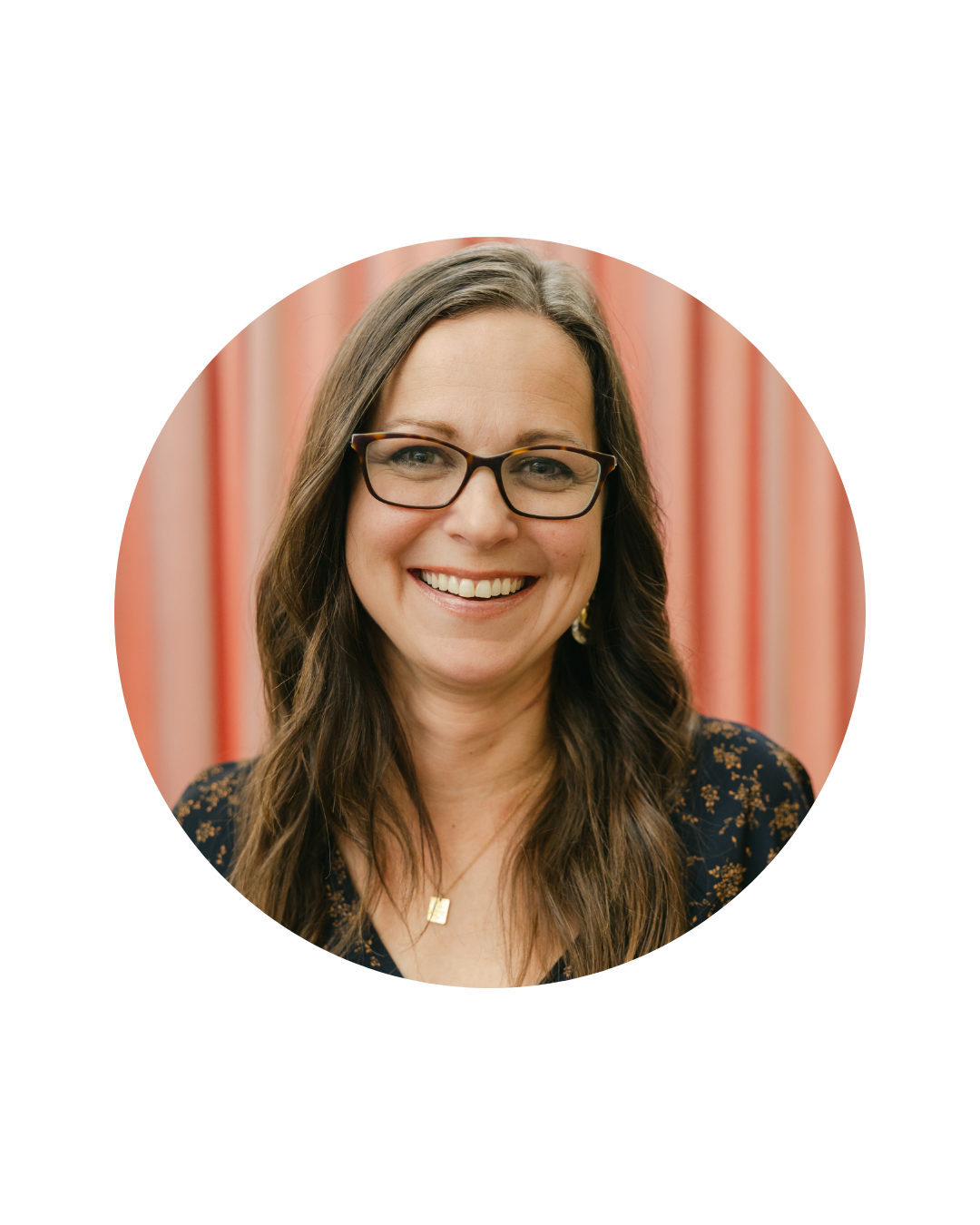
Elementary and middle school students, parents, and adults
Katelyn helps kids see what their brain is actually doing, and then start working with it instead of against it. Whether it is the big emotions that make getting started feel impossible or the executive function struggles that show up at school and at home, she helps kids build the skills they need and helps parents know how to support them.
Read her story →
You knew something was different about your child the moment the diagnosis came. Maybe you expected answers. Maybe you expected a plan. What you probably didn't expect was to walk away still feeling alone, handed a label, but no map for what comes next.
Katelyn Mabry knows that feeling from the inside.
She was ten years old when she was diagnosed with ADHD. No one sat down and explained what it meant. No one told her what it didn't mean. She walked away confused and scared, and spent the years that followed doing what so many kids with ADHD learn to do, masking. Shrinking. Making checklists to stay in control. Stuffing down the big feelings so she wouldn't be "too much" for the people around her.
What she didn't know then was that the fullness she was trying to tame wasn't a flaw. It was exactly who she was made to be.
It took years, real, hard-won years of self-reflection, thought reframing, working with her own mindset coach, and deepening her understanding of her ADHD brain, before Katelyn stopped apologizing for who she was and started building a life around it. She pursued an undergraduate degree in early childhood special education because she saw kids being misunderstood the same way she had been. She chose her master's degree in reading, the very thing she struggled with most, because she wanted to help other kids learn to love it. She wrote a book she sat on for ten years because self-doubt is real, and then she published it anyway. Because so is courage.
That book, Hi, It's Me! I Have ADHD, along with her podcast Journey With Me Through ADHD: A Podcast for Kids, are extensions of the same mission she has carried her whole life: making sure no child has to figure this out alone.
As a trained ADHD life coach with over ten years of experience, Katelyn has walked alongside more than 50 families, and counting. As a mom of four neurodivergent children, she lives this journey every single day, not just professionally, but personally. She works with parents first, helping them move from reaction to response, from frustration to understanding, from wondering what's wrong with their child to seeing clearly what's going on beneath the surface. She works directly with teenagers, and occasionally college students and adults, who are ready to understand themselves, building a foundational mindset, unconditional confidence, and a personalized executive function toolbox that works with their unique brain, not against it. She also specializes in helping kids and families navigate Rejection Sensitive Dysphoria (RSD), the intense emotional pain triggered by perceived rejection or failure that so often drives the hardest behaviors to understand. Because when a child finally stops fighting who they are and starts building on it, everything changes.
You don't have to keep figuring this out alone. Katelyn already has.
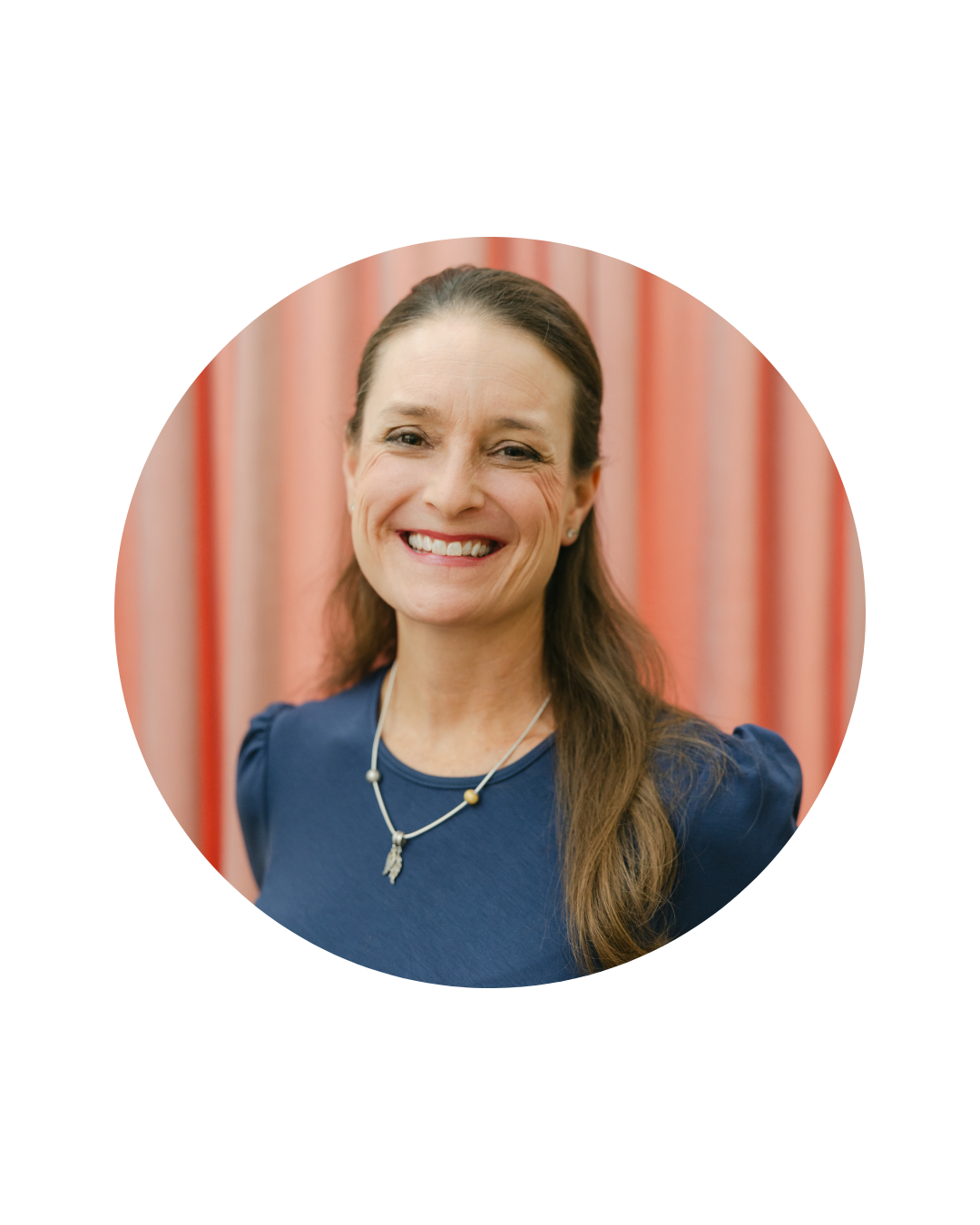
Adults, parents, families, and couples
Cindy helps people see what has actually been getting in the way, and then do something about it. Whether it is the way emotions can take over or the executive function struggles that make everyday life harder than it should be, she helps you understand why you are stuck, knock down the barrier, and build momentum that lasts.
Read her story →
There is a moment, maybe you have lived it, maybe you are watching someone you love live it right now, where the struggle stops making sense on the outside. The homework takes forever and the assignment looked simple. The morning falls apart before anyone leaves the house. And you find yourself wondering: why is this so hard?
Cindy North has spent more than a decade sitting with that question. Not to explain it away. To actually answer it.
For Cindy, ADHD was there long before she had words for it. Growing up as a military brat, she learned early how to enter new rooms, read new people quickly, and find her footing again and again. That built resilience. It also taught her to keep moving before she fully understood what she was carrying.
She remembers the day she took apart her roller skates to build a carriage for her Barbie and My Little Pony. In her mind, she had solved a problem. She saw the materials, she saw the possibility, and she followed the idea all the way through before she understood the cost. Her skates were ruined. She was not getting new ones. She had to watch everyone else roller skate without her. The confusion, the disappointment, the sinking feeling of realizing she had crossed a line she had not fully seen coming. That happened often. She was not trying to be destructive. She was following the idea. And the carriage she built was never even as nice as the real one her sister had. The only real benefit was that her Barbie could fit in it.
In high school, the same wiring showed up differently. Quick, intense, emotional, often more than the room seemed ready for. What she now understands as ADHD and emotional dysregulation looked, from the outside, like disrespect, drama, or defiance. When you are misunderstood enough, you start to wonder if the problem really is you. That belief quietly becomes: I am too much. I am the problem. I should be able to manage this better.
Years later, Cindy began seeing ADHD more clearly around her own kitchen table. Two bright, capable, creative children struggling in ways that did not match their intelligence, their effort, or their hearts. For one, it was writing in kindergarten. The page was there, the pencil was there, the ideas were there. But getting those thoughts through the hand and onto the paper felt like climbing a mountain. For the other, it was math. She remembers the IXL screen, the rocket ship losing power after one wrong answer, and a child who felt like all the work before it had suddenly stopped counting. There were tears, broken pencils, and moments that could have looked like refusal from the outside. But as their mom, Cindy could see something different. Effort. Overwhelm. How painful it was to care that much and still feel defeated by the process.
As she learned more about ADHD to support them, the language started reaching back into her own life. It was not just their story. It was hers, too. ADHD was not an excuse. It was an explanation. And once she had the explanation, she could stop trying to fix the wrong problem.
That shift changes everything.
Because here is what happens when ADHD goes unrecognized. The struggle becomes a story. Boredom looks like not caring. Emotional intensity becomes too much. Restlessness looks like defiance. And over time, those moments become evidence for a belief that was never true to begin with. The person was never the problem. The problem was a brain being misunderstood without the language, tools, and support it needed.
Cindy saw this land in real time with a 76-year-old mother who came to understand her adult son's ADHD in a new way. After working through it together, the woman told Cindy she could finally see her son differently. But what moved Cindy most was something else she said. She had learned that her son was not her fault. That is what happens when understanding replaces blame. People do not just see each other more clearly. They become freer.
That is the work Cindy is here to do.
On her small hobby farm in Versailles, Kentucky, horses, goats, chickens, and the rhythm of the land remind her daily of what she believes about growth. It does not happen by force. It happens with the right environment, steady care, and room to become. That is how she sees coaching. People do not thrive because they are pushed harder. They thrive when they are understood more accurately and supported more effectively.
Cindy founded EmpowerM3 because people with ADHD deserve more than another system and another reason to believe they are the problem. They deserve support that connects the head, the heart, and the action, the power of three.
Cindy North is a Professional Certified Coach (PCC) through the International Coaching Federation, a Certified ADHD Life Coach, and a Certified Positive Intelligence Coach. She chairs the CHADD Kentucky Chapter Adult ADHD Peer Support Group and serves as Special Projects Lead for the ICF Ohio Valley Charter Chapter. She is a speaker, author of the upcoming book Living In The Wild: Embracing Your Stripes with ADHD, and creator of ADHD uPLifted and Together with Intention: Pre-marital ADHD Coaching, because the person you love, or the person you are, deserves to be understood, supported, and equipped to move forward.

High school and college students
Kathryn helps college students get on top of their work and stay there. Whether it is mapping out everything on their plate, building a plan to get it done, or reworking that plan when life gets in the way, she helps students move forward without the shame spiral. She holds her clients accountable in a way that feels like support, not judgment, and keeps refining the approach until it actually works.
Read her story →
There is a moment a lot of people quietly arrive at where they wonder why everything feels harder for them than it seems to for everyone else. Not just the big things. The everyday things. Paying attention. Following through. Keeping up.
And underneath all of it is usually a much heavier question: Am I just not smart enough?
Kathryn knows that question. She has carried it since fourth grade.
In fourth grade, she failed an open-book test. Even now, that sentence sounds almost impossible, the answers were right there. But she couldn't pull it together in a way that made sense. That night, she had to bring the test home to be signed. She walked into the room and found her mom at the computer, quietly searching the word "dyslexia." Her mom was crying. So was she.
That was the night she decided something was broken in her. Something she might never overcome.
She spent the rest of her school years quietly comparing herself to everyone around her, her classmates, her older brother, kids who seemed to just get it in ways she couldn't. No matter how hard she worked, she felt behind. And when you feel behind long enough, you stop seeing individual struggles and start building an identity around them.
By eighth grade, she had teachers who had already decided who she was. She felt it in the way they spoke to her. And she believed them.
She carried that belief all the way into college. She was doing okay academically, but she was terrified to let anyone see how much she was struggling. Confused meant stupid. Questions meant annoyance. She kept the scary parts of her brain hidden, until one day she walked into her chemistry professor's office hours, heart pounding.
He could see it immediately. He looked at her and said, "Look at me like I'm your grandad."
And something unlocked.
For the first time in her academic life, she felt safe enough to show someone exactly where she was lost. No performance. No hiding. Just honesty. And he met her there.
That moment changed what she believed was possible for her. It also changed what she understood about learning, that it isn't really about information. It's about safety. Connection. Being seen before you're instructed.
Later, during a clinical rotation in nursing school, she met a patient named Sam. Sam was nonverbal and autistic. Her role was simple, take vitals, check in. But what she found in that room stopped her cold. Every poke, every prod, every moment of miscommunication that would frustrate most people, Sam just met it with joy. Pure, stubborn, unshakeable joy.
She remembers thinking: if she could spend every day with Sam, she would be so happy.
She wasn't running toward nursing. She was drifting. Sam showed her what it felt like to be exactly where she was supposed to be.
She left nursing. She pursued her master's degree in special education. And she began working as an interventionist with students who reminded her of the kid she used to be, students labeled lazy, difficult, unmotivated. Students who were incredibly smart but had never been taught in a way their brain could actually access.
She built relationships first. She learned to tell the difference between defiance and overwhelm, between avoidance and fear, between "won't" and "can't yet." Students who had shut down started engaging. Kids who had stopped participating started raising their hands.
And every single one of them healed something in her too.
Because she knew what it felt like to sit in a classroom and wonder why something easy for everyone else felt impossible for you. She knew what it felt like to believe you were the problem.
That's what brought her to Focus Forward.
Not because she has all the answers. Because she understands what it feels like to believe you are the problem, and because she knows what happens when someone finally receives the right support, the right tools, and the right understanding.
Everything changes.
You don't need another reason to believe you're failing. You need someone who can help you see yourself differently, and show you how to move forward from there.
Kathryn holds a degree in Human Health and Chemistry from Transylvania University and a master's degree in special education. She spent ten years teaching in the private school system before stepping into coaching full time, joining Focus Forward as a provider in 2023.

High school students, college students, and adults
Jodi helps young adults get unstuck when effort alone has not been enough. Whether it is the procrastination wall that has never come down or the way anxiety and ADHD are working together to make everything harder, she helps her clients understand what is actually in the way and build the kind of momentum that carries them forward.
Read her story →
[Jodi's full bio placeholder. Replace with her actual story, credentials, and approach.]
Resources created for you.
Our coaches don't just show up in sessions. They create things worth coming back to. Explore their podcasts, books, and tools below.

For the kid who needs to hear themselves in something. A podcast for ADHD ears, built to educate, encourage, and celebrate the way their brain works.
Listen

A rhyming picture book that lets a kid finally see themselves on the page. Written from Katelyn's own life, with tips and journal pages for the grown-ups, too.
Reach out. We will find the right fit.
You do not have to come to the call knowing what you need. You do not have to have it figured out. You do not have to know which coach. Just tell us where you are, and we will help you take the next step.
Become a Focus Forward Coach
A great coach with a great team behind them means their clients win. That is exactly what we have built here. If you have 10 or more years of experience working with people with ADHD, or you are a Certified ADHD Life Coach with at least three years under your belt, and you are ready to do this work inside a team that is just as invested in your clients as you are, fill out the form below. We want to know who you are. Let's talk.